Vertical farming at home works best when crop choice matches the system—not every vegetable belongs on a tower. The right plants turn a narrow balcony or kitchen corner into a steady supply of fresh greens; the wrong ones fight for light, overload roots, and stall harvests for months.
This guide lists the best vegetables for vertical farming in home hydroponic towers and racks: top performers, herbs that thrive in stacks, crops to skip at first, and how to plan rotations for continuous harvests. New to setup? Start with how to start hydroponics at home.
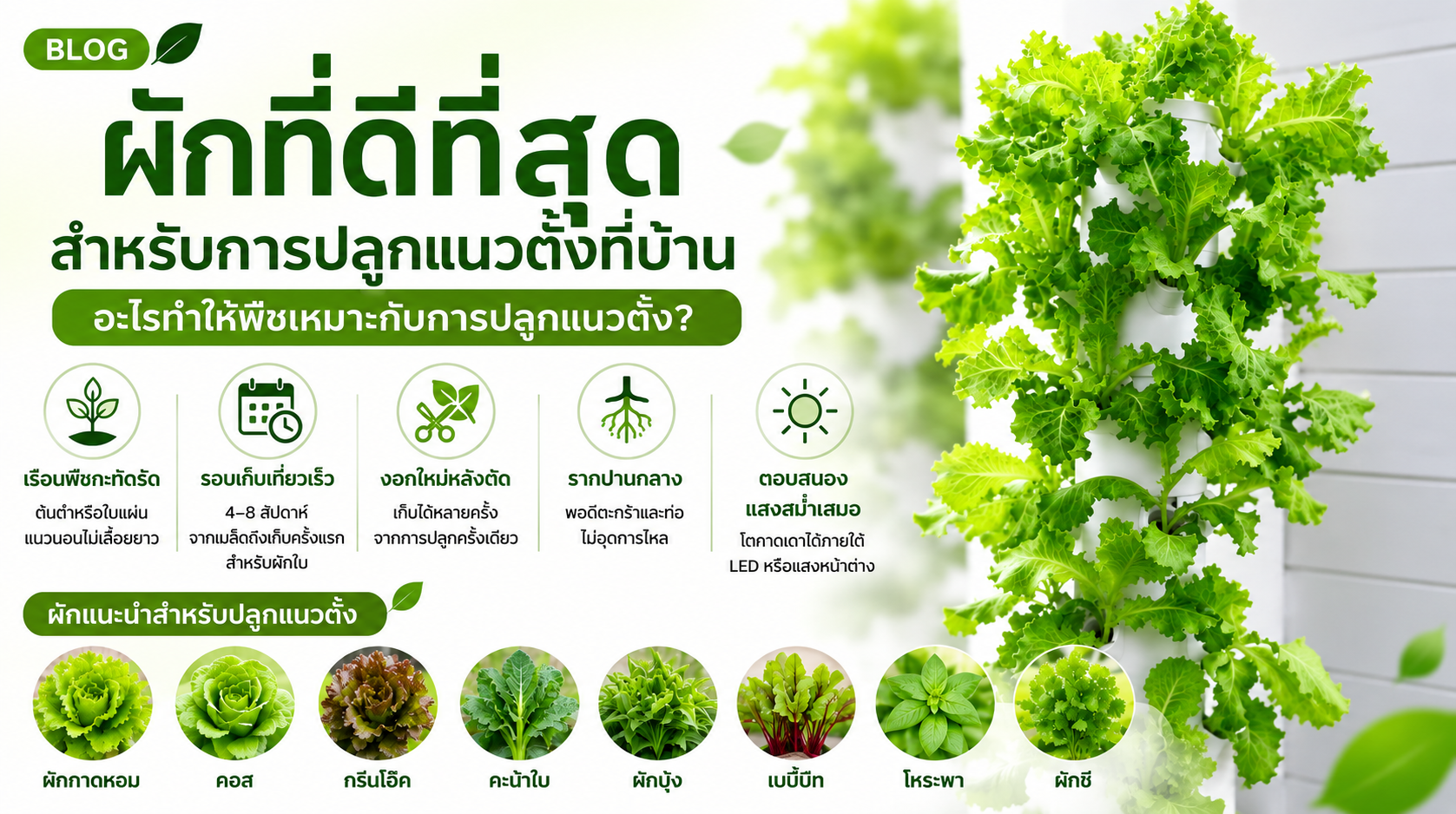
What makes a crop good for vertical farming?
Vertical systems maximize plants per square foot by growing upward. The best crops share a few traits:
- Compact canopy — short stature or leaves that spread horizontally without sprawling vines
- Fast harvest cycles — 4–8 weeks from seed to first pick for leafy types
- Cut-and-come-again regrowth — multiple harvests from one planting
- Moderate root mass — roots fit net pots and channels without clogging flow
- Consistent light response — predictable growth under LED or window light
Towers and aeroponic columns excel at these profiles. Large fruiting vines need trellises, heavy support, and more daily attention—better suited to dedicated grow rooms than a living-room tower.
Best leafy greens for vertical towers
Leafy greens are the backbone of home vertical farming. They stay compact, harvest quickly, and tolerate the light gradients common in stacked tiers (brighter top, slightly dimmer bottom).
Lettuce and salad mixes
- Best varieties: loose-leaf, butterhead, oak leaf, and baby salad blends
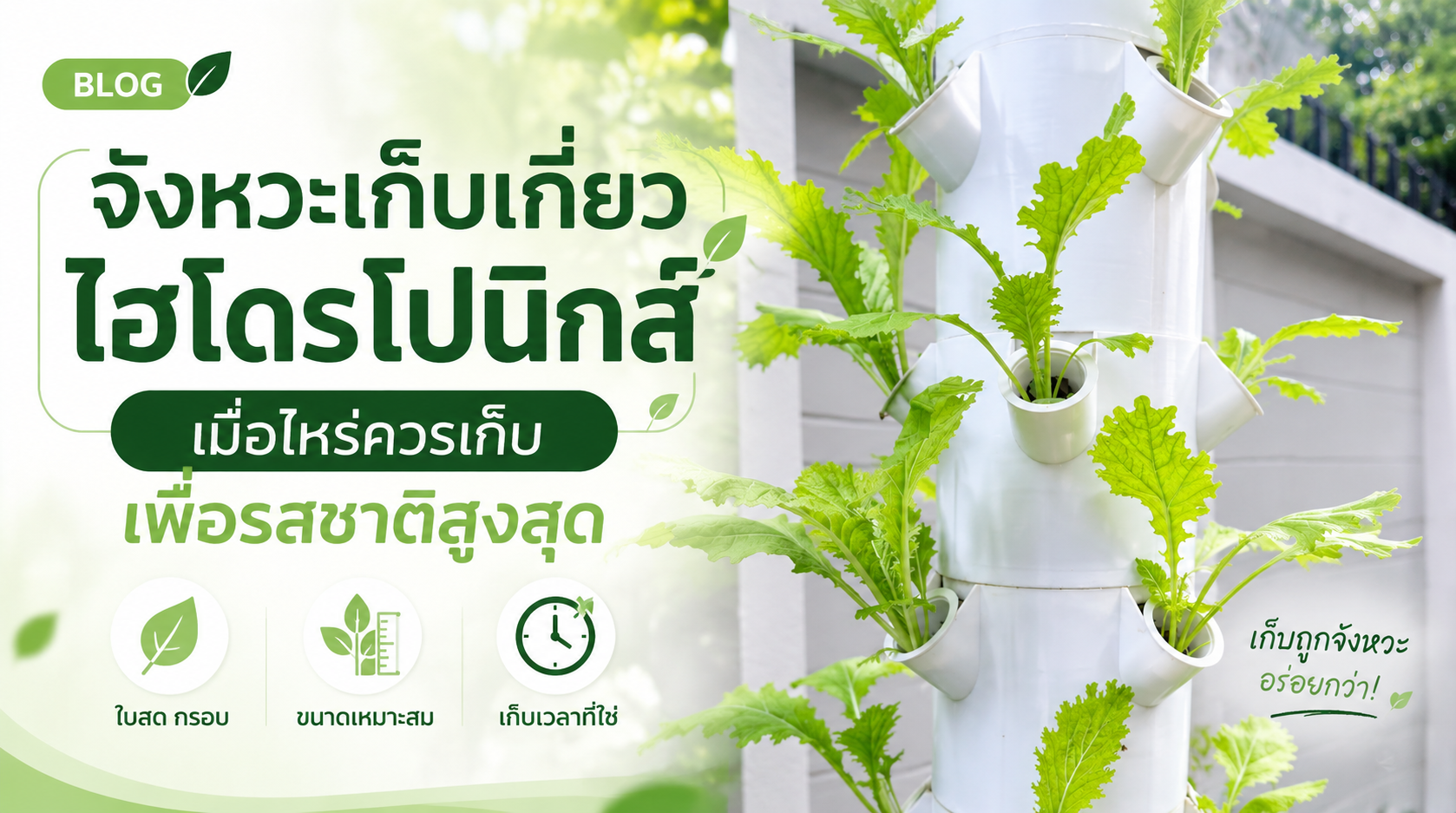
- Days to harvest: 28–42 days from seed; outer leaves sooner with cut-and-come-again
- Why it works: shallow roots, fast turnover, high kitchen demand
- Tip: plant staggered tiers one week apart for rolling harvests
Kale and Swiss chard
Hardier than lettuce with longer production windows. Harvest outer leaves weekly; plants keep producing 6–10 weeks in stable nutrients. Slightly higher EC tolerance makes them forgiving for beginners learning pH and EC management.
Spinach and Asian greens
Spinach, bok choy, tatsoi, and mizuna fit tight spacing and cooler room temperatures. Bok choy is often harvested whole at 15–25 cm—plan one plant per site rather than continuous leaf picks.
Arugula and mustard greens
Fast, peppery, and excellent for filling gaps between slower tiers. Ready in 3–4 weeks; bolts quickly in heat—ideal for air-conditioned condos or cooler seasons on balconies.
Best herbs for vertical hydroponics
Herbs deliver the highest flavor value per square centimeter on a tower. They regrow after cutting and stay compact when flower buds are pinched.
- Basil — top performer; pinch flowers, harvest one-third at a time
- Mint — vigorous; contain roots or dedicate one tier to prevent spread
- Cilantro / coriander — fast cycle; replant every 3–4 weeks in warm rooms
- Parsley — slower but steady; lower light tolerance than basil
- Chives and green onion — vertical-friendly; trim tops repeatedly
- Thai basil and shiso — excellent in tropical and Southeast Asian kitchens
For harvest technique on herbs and greens, see our harvest timing guide.
Crops that work with extra planning
These can grow vertically but need more light, support, or patience than first-time tower growers expect.
Strawberries
Compact varieties in vertical pockets can produce well with 14+ hours of strong light. Expect lower yields per plant than greens—treat as a bonus crop, not the main harvest.
Cherry tomatoes and small peppers
Possible on reinforced towers with trellis clips and top-tier priority lighting. Fruit weight and long cycles (60–90 days) make them better as a second-phase project after you master lettuce and herbs.
Cucumbers (compact/bush types)
Only dwarf or bush cultivars belong on home towers. Full-size vines overwhelm vertical structures and block light to lower tiers.
Vegetables to avoid on home vertical systems
Skipping these early saves frustration and keeps your tower productive.
- Full-size tomatoes, squash, and melons — heavy fruit, long vines, high light demand
- Root vegetables — carrots, beets, potatoes need depth and media volume towers lack
- Large brassicas — full cabbage heads and broccoli crowns outgrow net pots quickly
- Corn and tall grains — height and pollination needs do not fit stacked indoor layouts
- Slow fruiting trees — peppers and eggplants on standard towers often underperform without greenhouse-level light
If fruiting crops are your goal, compare system formats in our NFT vs tower guide—horizontal NFT with trellis support may fit better than a slim tower.
Matching crops to your vertical setup
Multi-tier towers (aeroponic / drip columns)
Stack fast greens on middle and lower tiers; reserve the top tier for the light-hungriest plants (basil, young lettuce). Rotate cilantro and arugula on the fastest-cycling sites.
Wall-mounted vertical racks
Uniform light across tiers allows mixed salad walls—alternate lettuce, kale, and herbs per row. Watch trailing varieties that shade neighbors.
Balcony and condo towers
Wind and heat swing faster outdoors. Choose heat-tolerant greens (Malabar spinach, certain kale) in summer; switch to lettuce and herbs in cooler months. Our balcony system guide covers space planning in detail.
Browse vertical farming systems sized for home towers and expansion tiers.
Planting density and spacing tips
Vertical farming tempts over-planting—crowded canopies block airflow and invite mildew.
- Lettuce: 1 plant per standard net pot; 15–20 cm effective spacing between sites
- Basil: 1 per pot; thin seedlings early to one strong stem
- Kale / chard: 1 per pot; harvest outer leaves to control spread
- Strawberries: 1 per pocket; remove runners unless you want daughter plants
When lower leaves yellow from shading, harvest or remove them—light penetration to the center of the tower matters more than leaf count.
Sample 4-week crop rotation for a home tower
- Week 1: seed lettuce and basil on top and middle tiers
- Week 2: add arugula or cilantro on fastest sites; first light basil harvest
- Week 3: begin lettuce outer-leaf harvests; replant any bolted cilantro
- Week 4: full rotation assessment—replant tired tiers, keep productive kale/chard sites
Staggering by one week per tier creates a rolling salad supply instead of a single glut. Log planting dates to sync with peak flavor windows.
Nutrient and light basics by crop group
- Leafy greens: moderate EC (1.2–1.8 mS/cm), 12–16 hours light, pH 5.8–6.2
- Herbs: similar EC; basil wants slightly warmer water and stronger light than parsley
- Fruiting (if attempted): higher EC in fruiting stage, 14–18 hours light, trellis support required
Stable nutrients matter more than pushing growth speed—bitter lettuce and weak herbs often trace to EC spikes, not wrong variety choice.
Frequently asked questions
What is the easiest vegetable to grow in a vertical tower?
Loose-leaf lettuce and basil are the most forgiving pair—fast growth, clear harvest signals, and compact size. Most beginners see a first meaningful harvest within 4–5 weeks.
Can you grow tomatoes on a vertical hydroponic tower?
Only cherry or dwarf varieties on towers rated for fruit load, with trellis support and strong lighting. For most home growers, tomatoes are a second-season crop after mastering greens.
How many plants fit on a home vertical farm?
Depends on tier count and site spacing—home towers often support 15–40 sites. Plant one crop per site for lettuce and herbs; do not double-seed net pots.
Is vertical farming only for lettuce?
No—but lettuce, kale, herbs, and Asian greens deliver the best yield-to-effort ratio. Use towers for daily kitchen crops; reserve larger systems for fruiting plants.
Do lower tiers grow slower?
Often yes, due to less light. Rotate crops so fast-cycle plants (arugula, cilantro) use lower tiers and reserve the top for basil and primary lettuce harvests.
Start with greens, then expand
The best vegetables for vertical farming at home are the ones you will harvest often: lettuce, kale, basil, and compact Asian greens. Master those on your tower, build a staggered planting rhythm, and add strawberries or cherry tomatoes only when light and support are in place.
Ready to choose hardware? Compare our vertical crop guide, explore vertical systems, or read the full beginner setup walkthrough.