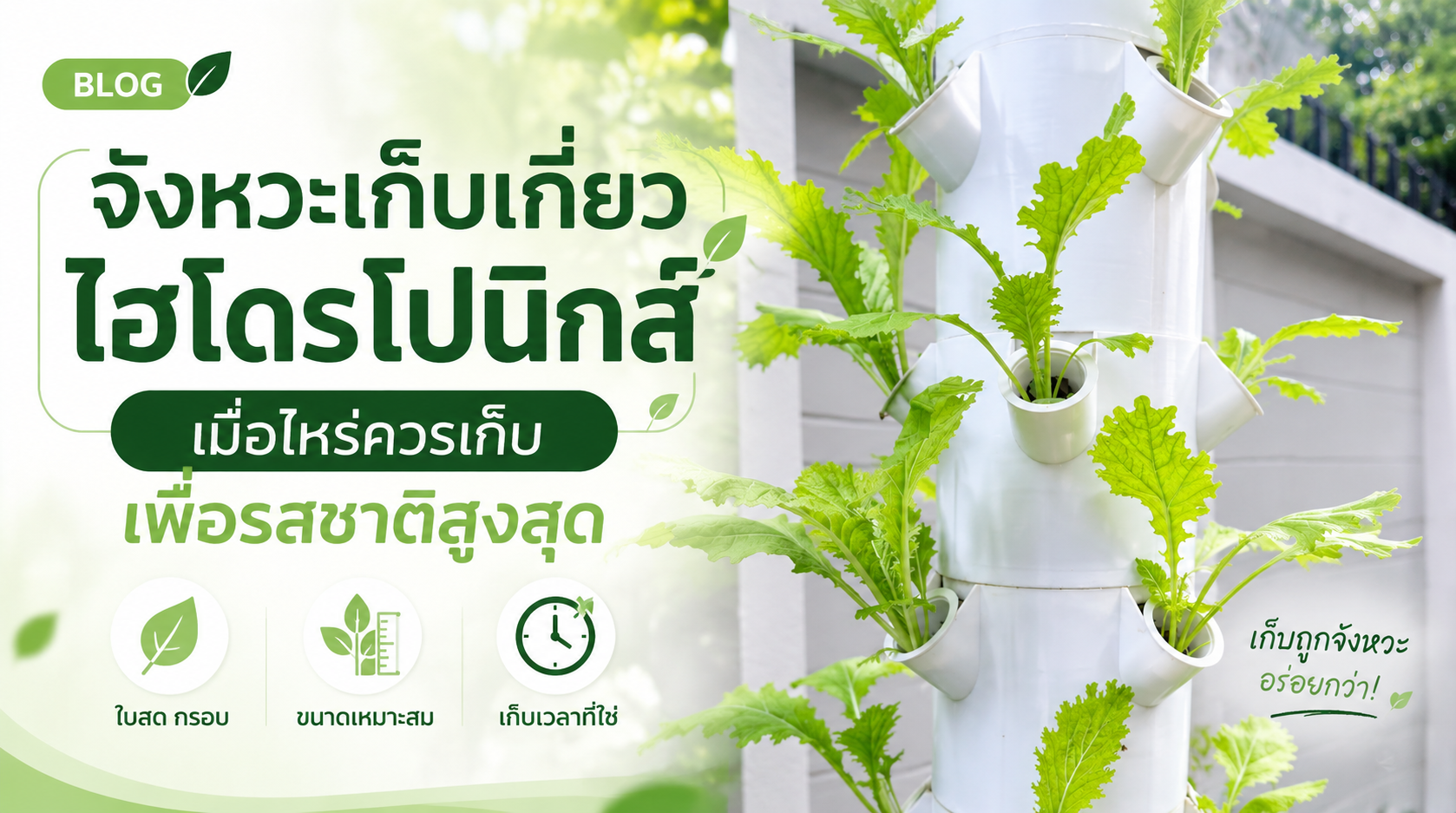
Harvest timing is where home hydroponics pays off. Grow lights, nutrient balance, and system design get plants to the finish line—but when you cut determines whether you get crisp, sweet greens or woody, bitter leaves. Pick too early and flavor is flat; wait too long and texture collapses or plants bolt.
This guide covers hydroponic harvest timing for leafy greens, herbs, and fruiting crops: the visual cues to watch, cut-and-come-again techniques, and the mistakes that steal flavor at the last minute. Pair it with nutrient balancing so your reservoir supports flavor through ripening, not just growth speed.
Why harvest timing affects flavor more than variety alone
Two heads of the same lettuce cultivar can taste completely different based on harvest day. Flavor compounds—sugars, organic acids, and aromatic oils—shift as plants move from rapid growth toward reproduction.
- Sugar concentration peaks when growth slows but before bolting
- Bitterness rises when plants stress, over-mature, or run low on water
- Aroma in herbs intensifies with regular light pruning, then fades if plants flower
- Fruiting crops need stable nutrients through color break to balance sugar and acid
In hydroponics, you control water and nutrients tightly—so harvest windows are narrower and more predictable than in soil. That is an advantage if you know what to look for.
General rules for every hydroponic harvest
- Harvest in the morning — plants are hydrated and crisp after the overnight recovery period
- Use clean, sharp scissors — jagged tears invite rot and bruise leaf tissue
- Handle leaves gently — warmth and pressure accelerate wilting and flavor loss
- Rinse only if needed — hydroponic greens are often clean; excess water dilutes aroma
- Eat or chill quickly — flavor peaks within hours of cutting for most leafy crops
Log harvest dates alongside pH and EC readings. Patterns emerge fast and help you hit the same quality window every cycle.
Leafy greens: lettuce, kale, and salad mixes
Leafy greens are the most common home hydroponic crop—and the most sensitive to harvest timing. The goal is full leaf size before the plant shifts energy toward flowering (bolting).
When lettuce is ready
- Size: outer leaves 15–20 cm for loose-leaf types; heads feel firm but not tight like grocery icebox lettuce
- Color: even green (or red) tone without pale, yellowing lower leaves
- Texture: crisp snap when you bend a leaf—limp or rubbery means past peak or under-lit
- Bolting signals: sudden vertical growth, bitter taste, milky sap in stems—harvest immediately or replant
Cut-and-come-again method
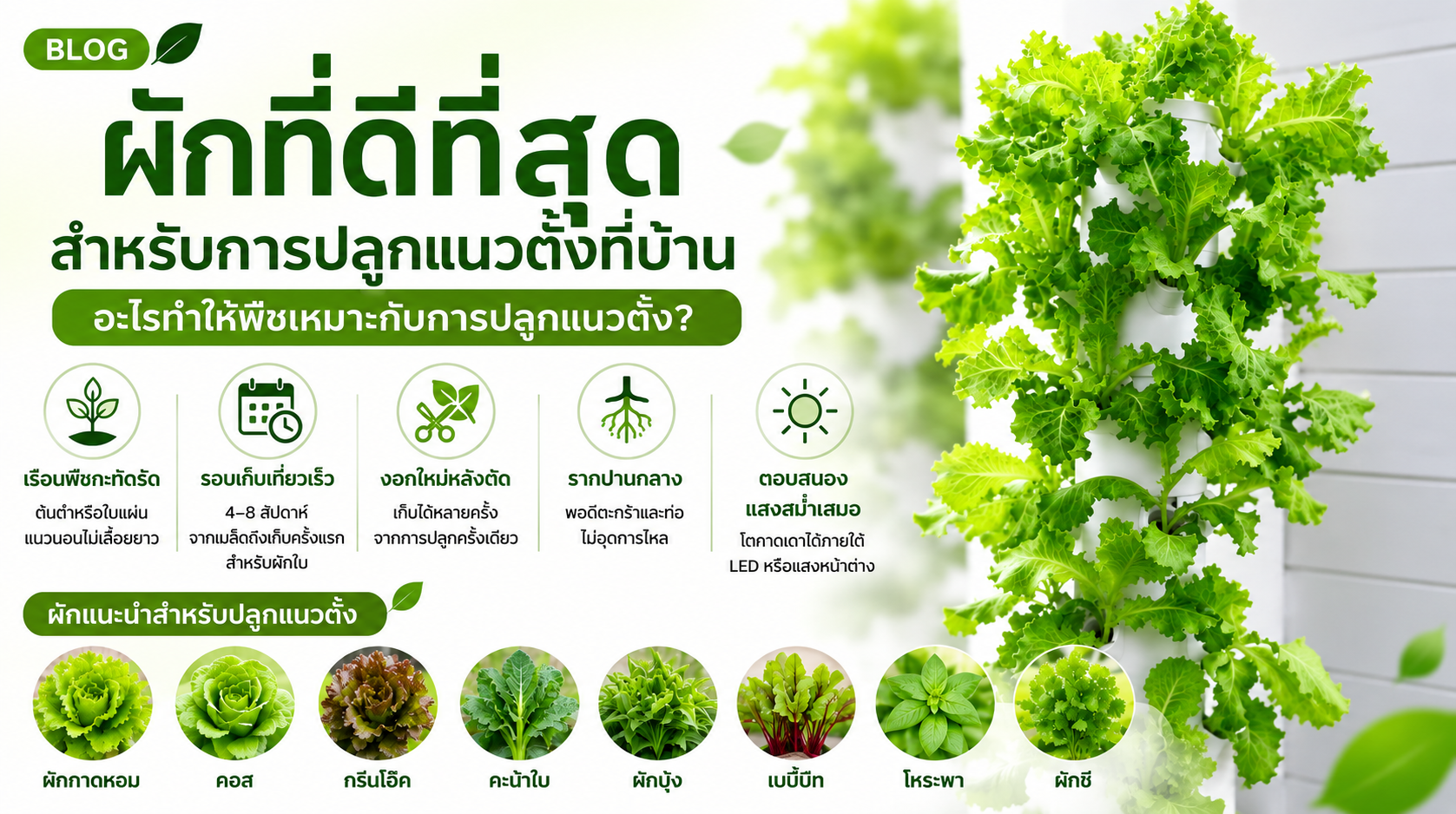
For loose-leaf lettuce and salad mixes, harvest outer leaves when they reach usable size, leaving the growing center intact. Plants regrow in 7–14 days depending on light and nutrients. This method maximizes yield from vertical systems and NFT channels where space is premium.
Kale, chard, and Asian greens
Pick outer leaves from the bottom up when they are palm-sized. Young leaves are tender; oversized leaves turn chewy. Bok choy and tatsoi are best harvested whole at 15–25 cm before flower stalks appear.
Not sure which greens fit your setup? See our guide to best vegetables for vertical farming.
Herbs: basil, mint, cilantro, and more
Herbs reward frequent, light harvesting more than any other crop class. The trick is to cut above a node so two new shoots replace every stem you remove.
Basil and mint
- Start light harvests once plants have 4–6 true leaves
- Pinch flower buds immediately—flowering turns leaves bitter and woody
- Harvest up to one-third of the plant at a time for fastest regrowth
- Peak aroma is usually mid-morning after dew or overnight moisture has dried
Cilantro and parsley
Cilantro bolts quickly in heat. Harvest outer stems early and often; replant every 3–4 weeks in warm rooms for continuous supply. Parsley tolerates longer cycles—cut outer stems at the base and let inner leaves develop.
Storage tip
Store herbs like flowers: stems in water, loosely covered in the fridge. Flavor holds 3–5 days; dried hydroponic herbs retain more aroma than soil-grown because leaves stay cleaner.
Fruiting crops: tomatoes, peppers, and cucumbers
Fruiting plants have a clearer ripening window than greens—but hydroponic growers often pick too early (hard, acidic) or too late (mealy, split skins).
Tomatoes
- Full color break — first even blush across the fruit is the home-harvest sweet spot
- Feel: slight give without softness; shoulder color matches the rest of the fruit
- Flavor link: maintain steady EC through ripening; sudden spikes produce bland or split fruit
Peppers
Pick when walls are firm and color is uniform. Green peppers are immature fruit of colored varieties—milder flavor, firmer texture. Wait for full color if you want sweetness and higher vitamin content.
Cucumbers and compact fruiting greens
Harvest young and often. Oversized cucumbers turn seedy and bitter. Check daily once fruit sets—hydroponic plants can jump from perfect to over-mature in 48 hours under strong light.
How light and nutrients shape harvest quality
Flavor is not decided on harvest day alone. The two weeks before cutting matter most.
Light intensity and duration
- Too little light → pale, soft leaves with weak flavor
- Too much without airflow → tip burn and stressed, bitter greens
- Consistent 12–16 hour photoperiod for leafy crops stabilizes sugar accumulation
Nutrient stability
Avoid large EC swings in the final week before harvest. Rising salts stress roots and push bitterness in lettuce and herbs. If EC climbs from top-offs alone, schedule a partial water change rather than harvesting into stressed plants. Details in our pH and EC guide.
Water level
Letting reservoirs run low before harvest concentrates salts and wilts leaves overnight. Top off the evening before a morning harvest for maximum crispness.
Harvest schedules by crop type
Use these ranges as starting points—your light, temperature, and variety will shift timing by a few days.
- Loose-leaf lettuce (from seed): 28–42 days; first outer leaves sooner with cut-and-come-again
- Basil: first light harvest at 3–4 weeks; continuous thereafter
- Kale / chard: outer leaves from week 4–5; ongoing weekly picks
- Cherry tomatoes: 60–75 days to first ripe fruit; daily checks once coloring starts
- Bok choy (whole head): 30–40 days before flower stalks emerge
Track days from transplant in a simple log. After one or two cycles, you will predict harvest week without guessing.
Common harvest mistakes that ruin flavor
- Waiting for maximum size — bigger is not better for lettuce and herbs; oversized leaves turn bitter and tough
- Ignoring flower buds — one missed basil flower changes flavor for the whole plant within days
- Harvesting wet plants — surface moisture speeds bacterial breakdown in storage
- Storing unwashed greens in sealed bags — trapped ethylene and moisture accelerate spoilage
- Clear-cutting the whole plant too early — unless you are replanting, leave the growing tip for regrowth
- Harvesting during nutrient shock — fresh reservoir changes or EC spikes within 48 hours of cutting affect taste
Post-harvest handling for best taste
- Cool quickly — fridge at 2–4°C for leafy greens within 30 minutes of cutting
- Remove damaged leaves — one bruised leaf releases ethylene that ages the rest
- Do not crush — stack loosely or use vented containers
- Plan portions — hydroponic greens are best eaten within 3–7 days; herbs in water last longer
For daily kitchen use, harvest only what you will eat that day. The flavor difference between same-day and three-day-old lettuce is noticeable—especially in salads and wraps.
Frequently asked questions
How do I know when hydroponic lettuce is ready to harvest?
Check outer leaf size (15–20 cm for loose-leaf types), even color, and a crisp snap when bent. Harvest before the stem elongates rapidly or leaves turn bitter—that is bolting.
Should I harvest all at once or gradually?
Gradual outer-leaf harvests work best for lettuce, kale, and herbs in home systems. Whole-head harvest suits bok choy and head lettuce when you plan to replant immediately.
Does harvest time of day really matter?
Yes. Morning harvests after lights come on (or after dawn for window-grown plants) yield the crispest texture. Mid-afternoon cuts often wilt faster in storage.
Why does my hydroponic lettuce taste bitter?
Common causes: bolting, over-mature leaves, high EC or low water before harvest, or heat stress. Harvest younger leaves and stabilize nutrients in the week before cutting.
How many times can I harvest the same plant?
Loose-leaf lettuce and herbs often produce 2–4 cut-and-come-again cycles. Yield drops each round—replant when regrowth slows or flavor declines.
Plan the cycle before you plant
Maximum flavor is not a lucky harvest—it is a cycle you design: choose crops that match your light, keep nutrients stable before cutting, pick at the right size (not the biggest size), and handle leaves with the same care you gave the roots.
Starting your first grow? Read how to start hydroponics at home, then use this guide to finish every cycle at peak quality.